Before the signs
How This Book Works
House first. Then sign. Then planet.
The chapter in one minute
- Three pillars. Houses are fixed spaces, rashis are cloud kitchens, grahas are chefs.
- One order. Read the house first, then the sign, then the planet.
- Twelve kitchens. Each sign hands its work to the next, from Aries' heat to Pisces' release.
- Nine chefs. Each graha is anchored to a form of the Lord, which is how you will remember him.
- Seven movements. Every chapter has the same shape, so you always know where you are.
Before the twelve signs, you need three things: the framework the whole system rests on, the cast of characters who will appear in every chapter, and a clear picture of how each chapter is built, so you know what you are reading and why.
A word on where this framework comes from. The way of reading a chart that runs through this book, house before sign, sign before planet, every rule tied to a pastime so that it can actually be remembered, is the way I was taught. Whatever is clear in these pages belongs to that teaching; whatever is unclear is my transmission of it. I have written the book the way I learned the subject, and the way I now teach it: one sign at a time, one rule at a time, and every rule checked against real lives.
The Three Pillars
Human life moves in complex, repeating cycles that ordinary linear logic cannot decode. A career moves through sudden erratic swings despite meticulous planning. A clouded intellect creates structural damage across several unrelated areas at once. To read these patterns with any precision, an astrologer works with three distinct pillars and, far more importantly, understands how the three interact.
The birth chart is not a list of placements. It is a single fluid circuit, and it has exactly three kinds of component.
Tap a layer to read it. The house is the floor, the rashi is the kitchen built on it, the graha is the chef who cooks there.
Houses: the fixed spaces
The houses are the permanent operational sectors. They are the unchanging dimensions of real-world experience: the body, the family, the home, the workplace, the marriage, the ending. A house does not have a personality and it does not have preferences. It is simply the space where a certain category of event is structurally forced to happen. The 4th house will always concern the home and the mother, in every chart that has ever been drawn.
Rashis: the cloud kitchens
The signs do not own the space; they set up shop inside it. This is the single most useful image in the book, and it will return in every chapter.
Think of a rashi as a cloud kitchen operating out of a house it does not own. It brings its own menu, its own equipment, its own constraints and its own flavour, and whatever gets cooked in that sector of life comes out tasting like the kitchen rather than like the building. Aries is a kitchen with the furnace roaring and nothing in the pantry. Taurus is a stocked storehouse, cool and unhurried. Gemini is a workshop with the radio on and three projects half-finished. Cancer is a kitchen on the water, warm and never quite steady underfoot.
Put the same house in front of two different people and the department of life is identical. Put a different rashi in it and what emerges is unrecognisable.
Grahas: the chefs
The planets are the delivery agents, the ones who actually produce the result. The Sanskrit word graha means to seize or to capture, and that is precise rather than poetic. When a planetary period begins, that planet takes the steering wheel of your mind. It colours your choices and makes you live and react exactly like its own character, for years at a time.
A planet walks into a house, absorbs the flavour of whichever rashi is operating there, and cooks according to its own training. That is the whole mechanism. The Sun in Aries and the Sun in Pisces are the same king with the same instincts, working in two kitchens that have almost nothing in common, and the results have almost nothing in common either.
The order you must read them in
- 1
House first
Exhaust the full menu of what the house signifies, including what you get by counting further houses from it.
- 2
Then the sign
Exhaust the rashi's character: its menu, its constraints, its flavour.
- 3
Then the planet
Only now look at the graha cooking there, and how the kitchen changes him.
- 4
Keep it concrete
A vague statement is not a cautious prediction, it is a failed one.
- 5
Desha, kala, paristhiti
Read every prediction in the light of place, time and circumstance.
This is the discipline that separates a reliable astrologer from an unreliable one, and it is broken constantly.
House first. Then sign. Then planet. Exhaust the full menu of what a house signifies, including the extended meanings you get by counting further houses from it, before you look at the sign. Exhaust the sign’s character before you look at any planet sitting in it. Never introduce a planet’s own house of lordship as a second-level complication in the middle of the analysis. And never substitute a nearby or more familiar house for the one you were actually asked about, which is the most common error there is.
Resist the urge to leap straight to a dramatic karmic conclusion. Predictions must be concrete enough that a client immediately recognises themselves; a vague statement is not a cautious prediction, it is a failed one. And every prediction must be read in the light of desha, kala, paristhiti, place, time and circumstance, rather than applied as a context-free formula.
The Twelve Houses
The chart below is the North Indian style used throughout this book. The top diamond is always the 1st house, the Lagna, and the houses run anticlockwise from there. The four diamonds, 1, 4, 7 and 10, are the kendras, the pillars of the chart; 1, 5 and 9 are the trikonas, the houses of fortune; 6, 8 and 12 are the dusthanas, the houses of struggle.
Draw a square.
Each of these is developed considerably further in the chapters. This is the working summary.
Tap any house in the chart.
| House | Name | What lives here | In the body |
|---|---|---|---|
| 1st | Lagna | The native himself: appearance, health, vitality, personality, confidence, the overall direction of life. Every other house is viewed through this lens. | Head, the body as a whole |
| 2nd | Dhana | Accumulated wealth, savings, family lineage, speech, food habits, values, early upbringing. | Face, mouth, teeth, tongue, throat |
| 3rd | Sahaja | Courage, initiative, communication, skills, younger siblings, hobbies, neighbours, short travel. Writing, media, marketing, music, sport. | Hands, shoulders, arms, hearing |
| 4th | Sukha | Inner happiness, emotional security, mother, home, property, land, vehicles, early education, domestic peace. | Heart, chest, lungs |
| 5th | Putra | Intelligence, creativity, education, romance, children, speculation, mantra siddhi, and purva punya, the merit carried from previous lives. | Stomach, upper abdomen |
| 6th | Ripu | Disease, debt, enemies, competition, litigation, service, daily work, discipline. The house of free will, where outcomes genuinely change with conduct. | Intestines, digestion |
| 7th | Kalatra | Marriage, spouse, business partnership, contracts, diplomacy, public dealing. Teaches cooperation and compromise. | Lower abdomen, kidneys |
| 8th | Ayu | Transformation, longevity, hidden knowledge, occult, inheritance, sudden events, research, secrets, the spouse’s family. | Reproductive organs, excretion |
| 9th | Dharma | Dharma, fortune, higher wisdom, father, guru, religion, philosophy, higher education, long journeys, divine blessing. | Thighs, hips |
| 10th | Karma | Karma, profession, career, authority, status, public recognition, the father’s family, contribution to society. | Knees |
| 11th | Labha | Gains, profits, fulfilment of desire, ambition, elder siblings, friendships, networks, multiple income streams. | Calves, ankles |
| 12th | Vyaya | Completion, detachment, expenditure, charity, foreign lands, isolation, sleep, dreams, hospitals, the bedroom, and liberation. | Feet, sleep, the eyes |
The Twelve Rashis at a Glance
Each of these gets a full chapter. Read them here only to see the shape of the whole: how one sign hands the problem to the next. Aries supplies the heat; Taurus decides whether what Aries began can survive; Gemini carries the news of it; Cancer gives it a home, and so on around the circle until Pisces lets the whole thing go.
In the natural chart Aries, rashi 1, sits in the first house.
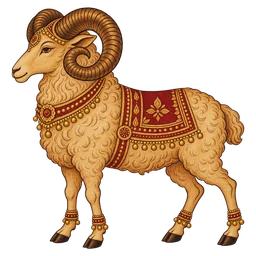
1 Aries
The Initiator
Courage, action, competition, the ability to begin
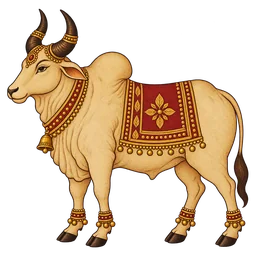
2 Taurus
The Preserver
Wealth, family, values, patience
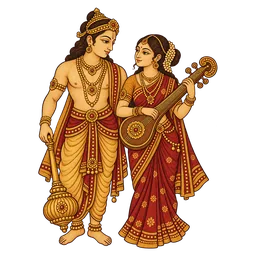
3 Gemini
The Communicator
Intelligence, curiosity, learning, networking, adaptability

4 Cancer
The Nurturer
Emotion, mother, home, care, protection, intuition
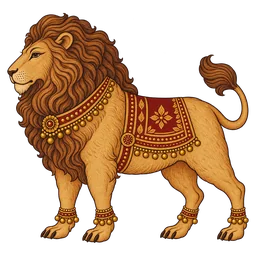
5 Leo
The Ruler
Authority, confidence, recognition, honour, lineage, the desire to shine
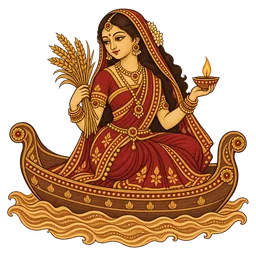
6 Virgo
The Servant
Logic, method, service, discipline, health, attention to detail
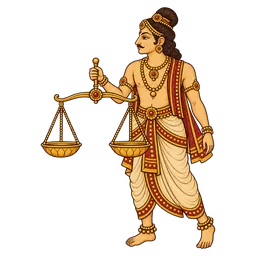
7 Libra
The Diplomat
Relationships, balance, justice, negotiation, partnership
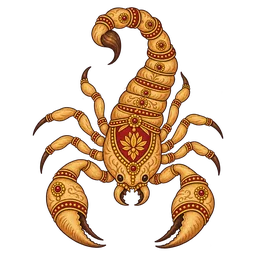
8 Scorpio
The Transformer
Intensity, research, secrecy, trauma, deep transformation
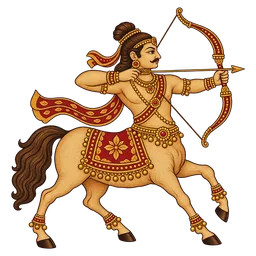
9 Sagittarius
The Seeker
Higher knowledge, philosophy, ethics, teaching, faith

10 Capricorn
The Achiever
Endurance, discipline, responsibility, structure, perseverance
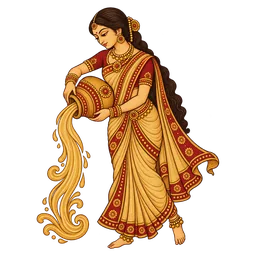
11 Aquarius
The Innovator
Unconventional thinking, networks, technology, unending desire

12 Pisces
The Liberator
Surrender, compassion, imagination, charity, detachment, moksha
| Sign | Sanskrit | Ruler | Element · Mode | Role | What it supplies |
|---|---|---|---|---|---|
| Aries | Mesha | Mars | Fire · Movable | The Initiator | Courage, action, competition, the ability to begin. Supplies the heat. |
| Taurus | Vrishabha | Venus | Earth · Fixed | The Preserver | Wealth, family, values, patience. Decides whether what Aries began can survive. |
| Gemini | Mithuna | Mercury | Air · Dual | The Communicator | Intelligence, curiosity, learning, networking, adaptability. |
| Cancer | Karka | Moon | Water · Movable | The Nurturer | Emotion, mother, home, care, protection, intuition. |
| Leo | Simha | Sun | Fire · Fixed | The Ruler | Authority, confidence, recognition, honour, lineage, the desire to shine. |
| Virgo | Kanya | Mercury | Earth · Dual | The Servant | Logic, method, service, discipline, health, attention to detail. |
| Libra | Tula | Venus | Air · Movable | The Diplomat | Relationships, balance, justice, negotiation, partnership. |
| Scorpio | Vrischika | Mars | Water · Fixed | The Transformer | Intensity, research, secrecy, trauma, deep transformation. |
| Sagittarius | Dhanu | Jupiter | Fire · Dual | The Seeker | Higher knowledge, philosophy, ethics, teaching, faith. |
| Capricorn | Makara | Saturn | Earth · Movable | The Achiever | Endurance, discipline, responsibility, structure, perseverance. |
| Aquarius | Kumbha | Saturn | Air · Fixed | The Innovator | Unconventional thinking, networks, technology, unending desire. |
| Pisces | Meena | Jupiter | Water · Dual | The Liberator | Surrender, compassion, imagination, charity, detachment, moksha. |
The three modes are worth holding in mind from the start. The movable signs (Aries, Cancer, Libra, Capricorn) act and decide; the fixed signs (Taurus, Leo, Scorpio, Aquarius) hold, accumulate and never forget; the dual signs (Gemini, Virgo, Sagittarius, Pisces) adapt, and carry two things at once.
Tap a sign. Movable signs act and decide; fixed signs hold and never forget; dual signs adapt and carry two things at once.
- 1
Aries
Fire · Movable
- 2
Taurus
Earth · Fixed
- 3
Gemini
Air · Dual
- 4
Cancer
Water · Movable
- 5
Leo
Fire · Fixed
- 6
Virgo
Earth · Dual
- 7
Libra
Air · Movable
- 8
Scorpio
Water · Fixed
- 9
Sagittarius
Fire · Dual
- 10
Capricorn
Earth · Movable
- 11
Aquarius
Air · Fixed
- 12
Pisces
Water · Dual
- Fire
- Earth
- Air
- Water
The Nine Planets and Their Deities
Now the cast. Each of these is a character rather than a rock, and each one is anchored to a form of the Lord, which is how you will actually remember them. These nine figures walk through all twelve chapters.

Surya the Sun
The King
Lord Rama. Soul, discipline, the father.
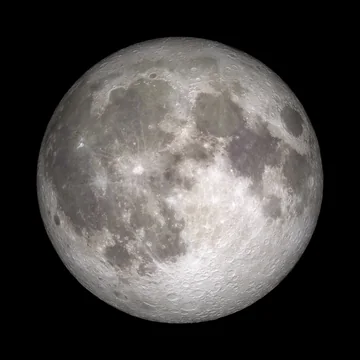
Chandra the Moon
The Queen
Lord Krishna. The emotional mind, the mother.

Mangal Mars
The Soldier
Narasimha and Hanuman. Strategy, will, execution.
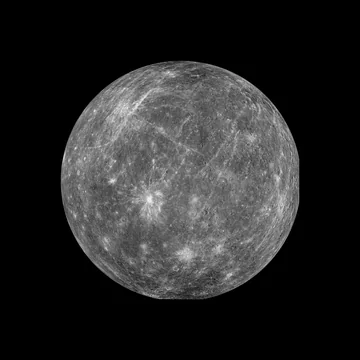
Budha Mercury
The Child
Lord Buddha. Speech, trade, the chameleon.
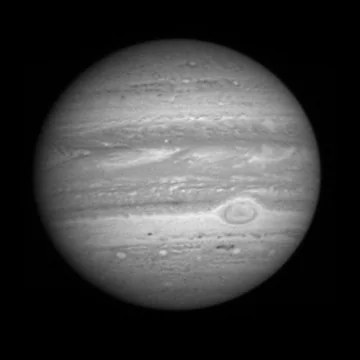
Guru Jupiter
The Counsellor
Lord Vamana. Wisdom, faith, expansion.

Shukra Venus
The Diplomat
Lord Parashurama. Statecraft, worth, reach.

Shani Saturn
The Worker
Lord Kurma. Time, delay, endurance.

Rahu
The Outcome-Chaser
Lord Varaha. Growth, shortcuts, scale.

Ketu
The Hermit
Lord Matsya. Research, isolation, past-life genius.
| Graha | Role | Deity | Own sign | Exalted in | Debilitated in |
|---|---|---|---|---|---|
| Sun (Surya) | The King | Lord Rama | Leo | Aries | Libra |
| Moon (Chandra) | The Queen | Lord Krishna | Cancer | Taurus | Scorpio |
| Mars (Mangal) | The Soldier | Narasimha, Hanuman | Aries, Scorpio | Capricorn | Cancer |
| Mercury (Budha) | The Child | Lord Buddha | Gemini, Virgo | Virgo | Pisces |
| Jupiter (Guru) | The Counsellor | Lord Vamana | Sagittarius, Pisces | Cancer | Capricorn |
| Venus (Shukra) | The Diplomat | Lord Parashurama | Taurus, Libra | Pisces | Virgo |
| Saturn (Shani) | The Worker | Lord Kurma | Capricorn, Aquarius | Libra | Aries |
| Rahu | The Outcome-Chaser | Lord Varaha | Read by the sign and house he occupies | ||
| Ketu | The Hermit | Lord Matsya | Read by the sign and house he occupies |
The Sun (Surya)
the King. Lord Rama
Soul, discipline, honesty, status, lineage, the father. A pure giver whose life is built on sacrifice and the moral high ground: Lord Rama legally deserved the throne and took fourteen years of exile instead, to keep His father’s word. A strong Sun gives natural routine and easy respect from authority. The trap: the king becomes a bully, the highly capable person unemployed for years because he will not bow to anyone.
The Moon (Chandra)
the Queen. Lord Krishna
The emotional mind, the mother, the deepest feelings. The Moon has no fixed flavour and no natural enemies; she is a psychic sponge, absorbing the emotional temperature of any room she enters, and she rules all the rasa, the sweetness and nourishment of life. This is Lord Krishna, who conquers through love and divine play rather than through rules. The trap: high expectations souring quietly into grudges.
Mars (Mangal)
the Soldier. Lord Narasimha and Lord Hanuman
The lean, muscular commander carrying strategy, willpower and execution, with no emotional fluff at all. Two faces: the explosive protection of Lord Narasimha, and the disciplined, humble, tireless service of Lord Hanuman. Mars supplies the heat required to create anything new. The trap: he rides his own horse superbly and fails at patient team management, and military logic destroys a marriage.
Mercury (Budha)
the Child. Lord Buddha
Gender-neutral, quick-witted, born of an irregular union and raised by his grandparents, so he has no fixed identity or taste of his own and behaves as a chameleon, mirroring and multiplying whatever he touches. His results arrive in clusters of three. This matches Lord Buddha, who set aside elaborate ritual for a practical, testable path. The trap: the transactional streak, the grammar police, or the dealer who twists the paperwork.
Jupiter (Guru)
the Counsellor. Lord Vamana
Wisdom, faith and the guiding presence of a teacher; the Midas touch that expands whatever it looks at into gold. Think of Vamana approaching King Bali as a small humble boy asking for three paces of land, and then encompassing the universe. A powerful Jupiter needs no flashy excess; the gravitas draws people by itself. The trap: in Capricorn, faith starves and he becomes a textbook-obsessed counsellor who cross-checks every teacher.
Venus (Shukra)
the Diplomat. Lord Parashurama
Not the soft planet of romance. This is the fierce, disciplined guru of the asuras holding the power to revive the dead. Venus manages statecraft: making everyone feel valued in order to close a deal both sides call a victory. This matches Lord Parashurama, who destroyed corrupt authority to restore balance. The trap: when Venus is damaged, self-worth reaches zero and relationships become cold transactions.
Saturn (Shani)
the Worker. Lord Kurma
Time, delay, adversity, structural endurance, the unglamorous foundation of the chart. Think of Kurma, the tortoise who bore the crushing weight of the mountain at the bottom of the ocean while the treasures and the nectar were produced above Him, and received no applause whatever. The trap: shortcuts under Saturn guarantee ruin, and panic during his transit is punished mercilessly.
Rahu
the Outcome-Chaser. Lord Varaha
The disembodied head: a boundary-less taker focused on rapid growth, shortcuts and scale. Think of Varaha diving into the dark toxic depths, using entirely unorthodox tactics to lift the Earth back into the light. The trap: Rahu is obsessed with the house nine from his own placement. You will work like a dog for it, sacrifice unconditionally, and receive heartbreak and zero appreciation in return.
Ketu
the Hermit. Lord Matsya
The detached, headless tail: the renunciate who loves deep research and total isolation. Think of Matsya, the divine fish that began small enough for a water-pot and outgrew the pond, the river and finally the ocean. Wherever Ketu sits you carry an effortless, past-life-honed genius. The trap: because you already conquered that house in a previous life, easy access is now denied, and Ketu slices away whatever your ego attaches to there.
Where Each Planet Is at Home
Before the chapters begin, keep this one table within reach. Every chapter explains why a planet is exalted or debilitated in a sign, by function rather than by tradition; this is simply where to find those placements.
SunMoonMarsMercuryJupiterVenusSaturn- Exalted
- Own sign
- Debilitated
Tap a rashi to read its column.
Rahu and Ketu are read by the sign and house they occupy, so they have no row here.
| Rashi | Exalted here | Debilitated here | Own sign of |
|---|---|---|---|
| Aries | Sun | Saturn | Mars |
| Taurus | Moon | Venus | |
| Gemini | Mercury | ||
| Cancer | Jupiter | Mars | Moon |
| Leo | Sun | ||
| Virgo | Mercury | Venus | Mercury |
| Libra | Saturn | Sun | Venus |
| Scorpio | Moon | Mars | |
| Sagittarius | Jupiter | ||
| Capricorn | Mars | Jupiter | Saturn |
| Aquarius | Saturn | ||
| Pisces | Venus | Mercury | Jupiter |
How Each Chapter Is Built
Every one of the twelve chapters follows the same seven movements. Knowing the shape in advance will make the material considerably easier to hold.
- 1
Who is this sign, really?
A portrait of somebody you already know, so that recognition comes before theory. Then the ruling planet as a person, and the pastimes from our sacred history that the whole chapter is built on. Use it for: learning the sign’s character.
- 2
The core nature
Five or six working sutras, each one derived directly from the pastimes above rather than merely illustrated by them, with worked examples placed beside the principle they belong to. Use it for: memorising the rules.
- 3
The cloud kitchen
Every planet placed in that sign, one at a time: what that chef brings, what the kitchen does to him, where the money comes from, and what the trap is. Use it for: actual consultation.
- 4
Beyond the sign
The wider rules attached to the ruling planet: its exaltation and debilitation explained by function, its timing, its conjunctions, and the predictive techniques that belong to it. Use it for: prediction.
- 5
The body and the remedies
What the sign does physically, and what genuinely repairs it. Remedies are given as the practices of the deities themselves, not as a list of gemstones. Use it for: remedies.
- 6
The twelve houses
The sign read separately for all twelve Ascendants, written directly to you rather than about you. Twelve small charts at the start of this section show where the sign falls for your Lagna. Use it for: reading your own chart.
- 7
One-page recall
A set of tables holding the entire chapter, designed to be read in the ten minutes before a consultation. Use it for: revision.
How to Use This Book
Two suggestions, and the second one matters more than it sounds.
Read your own chart alongside the chapters. Wherever a sign falls in your own horoscope, read that Ascendant’s paragraph first and check it honestly against your life. You will find some of it uncomfortable and that is the point: a sign you can only see in other people is a sign you have not learned.
Then build skill the slow way. Draw a chart. Write down every rule you intend to test. Validate each point, one at a time, against what actually happened in that person’s life. This is considerably slower than being handed a finished technique, and there is no substitute for it. Repeating that process across many real charts is the only thing that produces reliable, lasting skill, and doing it in that order, rather than leaping to the interesting conclusion, is itself the discipline this science asks of you.
Let us begin with Aries, and with the fire.