Part A · Before the Lagnas
How to Read a Blank Chart
The method, in one chapter
Draw the North Indian chart, write the lagna number in the top diamond, count the rashis anticlockwise, and you already know the lord of every house. Then read house, rashi, graha, in that order.
The chapter in one minute
- The houses never move. Top diamond is the 1st; count anticlockwise. The numbers inside are rashi numbers.
- Lagna number in, everything follows. Write the lagna's number in the 1st house and the other eleven rashis fall into place.
- Every rashi has a lord. Know the twelve lords and you know who rules every house of every lagna.
- House, then rashi, then graha. The house is the area of life, the rashi is the environment, the graha is the visitor.
- Friends and enemies by lagna. Lords of the 1st, 5th and 9th help; lords of the 6th, 8th and 12th trouble; the 2nd and 7th lords are the marakas.
The lagna at a glance
- Chart style
- North Indian; houses fixed, rashi numbers written inside
- Rashi order
- 1 Mesha · 2 Vrishabha · 3 Mithuna · 4 Karka · 5 Simha · 6 Kanya · 7 Tula · 8 Vrischika · 9 Dhanu · 10 Makara · 11 Kumbha · 12 Mina
- Lords
- Mars 1 and 8 · Venus 2 and 7 · Mercury 3 and 6 · Moon 4 · Sun 5 · Jupiter 9 and 12 · Saturn 10 and 11 (Rahu with 11, Ketu with 8)
- Kendras
- 1, 4, 7, 10 · Trikonas 1, 5, 9 · Dusthanas 6, 8, 12 · Upachayas 3, 6, 10, 11
- Weight
- House 40 percent, rashi 40 percent, graha 20 percent
- 1
Draw the chart
A square, two diagonals, a diamond. Twelve boxes; the top diamond is always the 1st house.
- 2
Write the lagna and count
The rising rashi's number goes in the 1st; the other eleven follow anticlockwise.
- 3
Find the lords
Every rashi has a lord, and the lord does not change. So every house of every lagna already has a lord.
- 4
Read house, then rashi, then graha
Forty, forty, twenty. The house is the area, the rashi the environment, the graha the visitor.
- 5
Predict, do not judge
Take one signification at a time and give the result, then let the client confirm.
Step one: draw the chart
Take a square. Draw both diagonals, then a diamond joining the midpoints of the four sides. You now have twelve boxes. The top diamond is the 1st house, always. From there the houses run anticlockwise: the triangle to the upper left is the 2nd, the one below it on the left is the 3rd, the left diamond is the 4th, and so on round to the 12th in the upper right. The four diamonds are the kendras, 1, 4, 7 and 10.
The numbers you write inside the boxes are rashi numbers, 1 to 12. The house is known from the position of the box; the rashi from the number inside it. Never confuse the two.
Step two: write the lagna and count
Whatever rashi was rising at birth is the lagna. Write its number in the top diamond. Then write the next number in the 2nd house, the next in the 3rd, and so on. After 12 comes 1.
So a Gemini lagna writes 3 in the 1st, 4 in the 2nd, 5 in the 3rd, 6 in the 4th, 7 in the 5th, 8 in the 6th, 9 in the 7th, 10 in the 8th, 11 in the 9th, 12 in the 10th, 1 in the 11th and 2 in the 12th. That is the blank chart of every Gemini lagna in the world, and every chapter of Part B opens with one of these.
The rule the other way round is just as useful. Tell me the rashi in any one house and I can tell you the lagna. If Mesha, number 1, is in the 10th house, then 4 is in the lagna: a Karka lagna. When I teach Kanya in the 2nd, I am teaching the Simha lagna, because every Simha lagna has Kanya in the 2nd.
Step three: find the lords
Each rashi has a lord, and the lord does not change with the lagna. Mesha and Vrischika belong to Mars; Vrishabha and Tula to Venus; Mithuna and Kanya to Mercury; Karka to the Moon; Simha to the Sun; Dhanu and Mina to Jupiter; Makara and Kumbha to Saturn. Rahu is read with Kumbha and Ketu with Vrischika.
So once the blank chart is drawn, every house has a lord. For a Gemini lagna the 2nd house is Karka, so the Moon is the 2nd lord; the 10th is Mina, so Jupiter is the 10th lord. Every graha except the Sun and the Moon rules two houses, and the pairing decides how he behaves for that lagna. Jupiter ruling the 7th and the 10th ties the partner to the career; Venus ruling the 5th and the 12th spends the money on education and love.
- Karka4
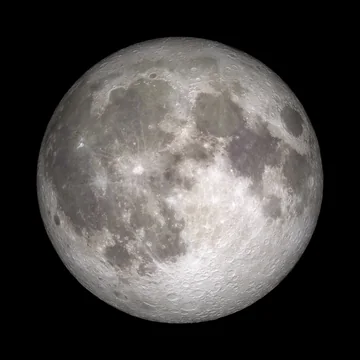 Chandra
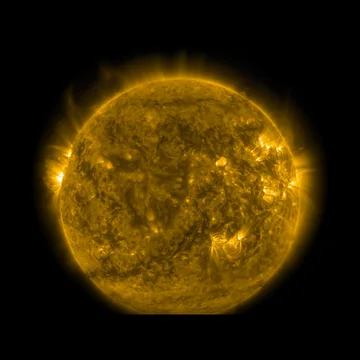 Surya5Simha
- Mithuna3
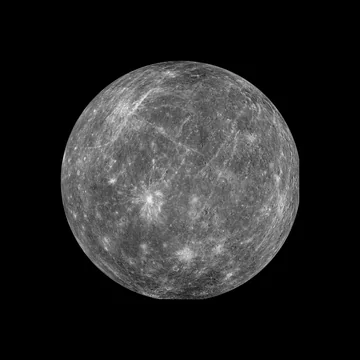 Budha6Kanya
- Vrishabha2
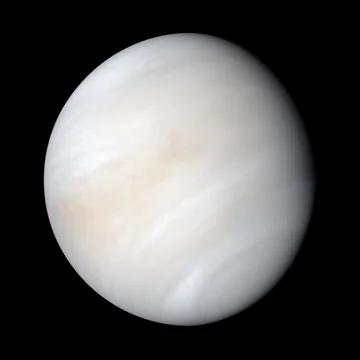 Shukra7Tula
- Mesha1
 Mangala8Vrischika+ Ketu, mainly
- Meena12
 Guru9Dhanu
- Kumbha11+ Rahu, mainly
 Shani10Makara
| Rashi in the house | Lord | Exalted here | Debilitated here |
|---|---|---|---|
| 1 Mesha | Mars | Sun | Saturn |
| 2 Vrishabha | Venus | Moon | — |
| 3 Mithuna | Mercury | — | — |
| 4 Karka | Moon | Jupiter | Mars |
| 5 Simha | Sun | — | — |
| 6 Kanya | Mercury | Mercury | Venus |
| 7 Tula | Venus | Saturn | Sun |
| 8 Vrischika | Mars, with Ketu | — | Moon |
| 9 Dhanu | Jupiter | — | — |
| 10 Makara | Saturn | Mars | Jupiter |
| 11 Kumbha | Saturn, with Rahu | — | — |
| 12 Mina | Jupiter | Venus | Mercury |
Step four: read in order
I teach in one order only: house first, then rashi, then graha. The house tells you what area of life we are talking about. The rashi tells you the environment in which it happens. The graha is the character who acts in that environment. I give forty percent of the weight to the house, forty to the rashi, and twenty to the graha. When no graha sits in a house, the rashi speaks; the result comes, in a smaller measure.
Three questions for every house. Which house is it? Which rashi is in it? Which grahas are in it, and where has its lord gone? The chapters of Part B answer the first two for you, house by house, and then give you all nine answers to the third.
- The lagna lord is the king of the chart. Wherever he goes, there the person puts most of his energy and solves the most important problems of his life. Each chapter carries a twelve-row table for him.
- A visitor brings only what he has. A house lord sitting in another house brings the contents of his own house there. The 6th lord brings disease, debt and enemies; the 3rd lord brings medals; the 10th lord brings the career.
- Source and sink. The house a lord owns is where the result is cooked; the house he sits in is where it is delivered. The 7th lord in the 10th is not the 10th lord in the 7th.
- A graha and his own rashi carry the same energy. What the Sun does in the 4th, Simha in the 4th does in a smaller measure. This is the rule that lets a blank chart predict.
- Exaltation refines; debilitation turns the strength into a problem. The table above tells you where each graha is exalted or debilitated, and each chapter's facts box tells you which houses those are for that lagna.
The rashi in the house
- fixed for every chart of that lagna; this is the blank chart
- forty percent of the weight; the environment in which the house happens
- gives the prediction even when the house is empty, in a smaller measure
- a rashi carries the same energy as its own lord
The graha in the house
- changes from chart to chart; the character who acts in that environment
- twenty percent of the weight; he sharpens or spoils what the rashi decided
- a visitor brings only what he has, the contents of his own house
- his own house is where the result is cooked; where he sits is where it is delivered
1. The area of lifethe house, forty percent, never moves
2. The environmentthe rashi, forty percent, fixed for the whole lagna
3. The visitorthe graha, twenty percent, sharpens or spoils
The blank chart
house, rashi, graha
4. The kingwherever the lagna lord goes, there the energy and the biggest problems go
5. Source and sinkthe house a lord owns cooks the result, the house he sits in delivers it
6. Same energya graha and his own rashi give the same result, the rashi in a smaller measure
Friends and enemies by lagna
For any lagna the same simple rule sorts the grahas. The lords of the trikonas, the 1st, 5th and 9th, are the friends of the chart. The lords of the dusthanas, the 6th, 8th and 12th, bring trouble. The lords of the 2nd and the 7th are the marakas, the killers of the ego and of life's resources, and so they are watched. A graha that owns both a kendra and a trikona is the yogakaraka, the one graha who lifts the whole chart; not every lagna has one. The badhaka, the obstructor, is the 11th lord for the movable lagnas, the 9th lord for the fixed, and the 7th lord for the dual. Each chapter states all of these in its facts box, and then shows you how the lecture actually uses them, which is sometimes looser than the rule.
| Lagna | Lagna lord | Yogakaraka | Marakas | Badhaka |
|---|---|---|---|---|
| Mesha | Mars | None by the strict rule | Venus | Saturn, 11th lord |
| Vrishabha | Venus | Saturn (9th and 10th) | Mercury, Mars | Saturn, 9th lord |
| Mithuna | Mercury | None | Moon, Jupiter | Jupiter, 7th lord |
| Karka | Moon | Mars (5th and 10th) | Sun, Saturn | Venus, 11th lord |
| Simha | Sun | Mars (4th and 9th) | Mercury, Saturn | Mars, 9th lord |
| Kanya | Mercury | None | Venus, Jupiter | Jupiter, 7th lord |
| Tula | Venus | Saturn (4th and 5th) | Mars | Sun, 11th lord |
| Vrischika | Mars | None (Sun and Moon pair) | Jupiter, Venus | Moon, 9th lord |
| Dhanu | Jupiter | None | Saturn, Mercury | Mercury, 7th lord |
| Makara | Saturn | Venus (5th and 10th) | Saturn, Moon | Mars, 11th lord |
| Kumbha | Saturn | Venus (4th and 9th) | Jupiter, Sun | Venus, 9th lord |
| Mina | Jupiter | None (Jupiter nearest) | Mars, Mercury | Mercury, 7th lord |
Step five: predict, do not judge
You are not remembering anything; you are making combinations. Remember a sutra, not a prediction. Take the list of what a house shows, one signification at a time, and give predictions khat-khat, one, two, three. Then let the client confirm. A reader predicts; a reader does not judge. Do not become a philosopher. Become a sniper.
Remember
- Draw the North Indian chart; the top diamond is always the 1st house; count anticlockwise.
- Write the lagna number in the 1st and the rest follow in order. Tell me one rashi in one house and I know the lagna.
- Twelve rashis, seven lords; Rahu with Kumbha, Ketu with Vrischika. The lord of a house is the lord of the rashi in it.
- Read house, then rashi, then graha. Forty, forty, twenty.
- Trikona lords help, dusthana lords trouble, the 2nd and 7th lords are marakas; yogakaraka owns a kendra and a trikona; badhaka is the 11th, 9th or 7th lord by the lagna's quality.
- A graha and his own rashi carry the same energy. That is why a blank chart predicts.
Check yourself
1. In a North Indian chart, where is the 1st house?
Houses are fixed by position; the number inside is the rashi, not the house.
2. The 10th house holds rashi 1, Mesha. Which lagna is this?
Count back from the 10th to the 1st: 1 in the 10th means 4 in the 1st.
3. For a Gemini lagna, who is the 10th lord?
The 10th house of a Gemini lagna is Mina, Jupiter's sign.
4. What is the order of reading in this book?
The house is the area of life, the rashi the environment, the graha the visitor.
5. Which graha is the yogakaraka for a Karka lagna?
A yogakaraka owns both a kendra and a trikona. For Karka, Mars owns Vrischika in the 5th and Mesha in the 10th.